UPDATED NEWS
Get You Updated on Playground Equipment News.
Get You Updated on Playground Equipment News.



Date: 2026-05-16 13:40:14 Click: 4







Designing an outdoor play area for toddlers requires a careful balance of safety, creativity, and fun. Toddlers are naturally curious, energetic, and eager to explore, so the play environment should stimulate their imagination while ensuring they remain safe. A well-designed toddler play area encourages physical development, social interaction, and cognitive growth.
Safety is the most important factor when designing for toddlers. Key considerations include:
By focusing on safety first, children can explore freely, and parents or teachers can feel confident that their little ones are protected.

Toddlers need equipment that matches their physical and cognitive abilities. Recommended features include:
Age-appropriate equipment reduces frustration, builds confidence, and encourages repeated use.

Toddlers learn through play that engages multiple senses. Creative elements can include:
These features encourage exploration, imagination, and problem-solving while providing a rich sensory experience.
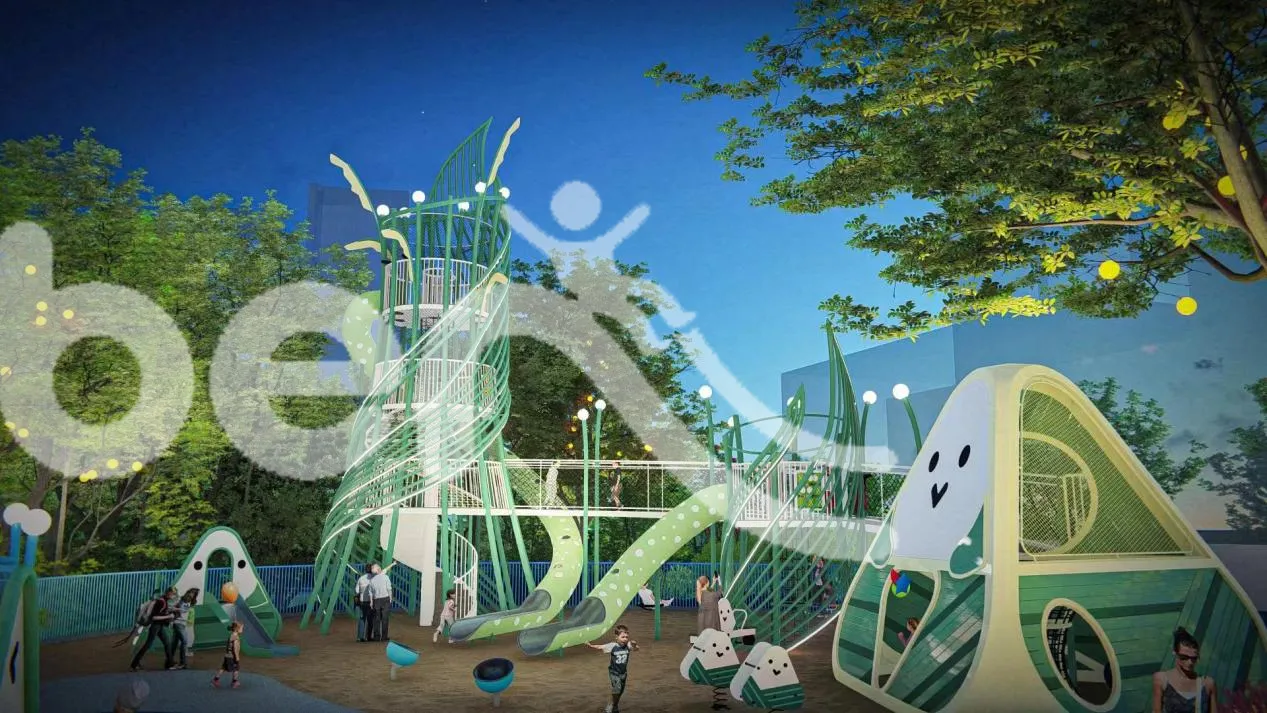
Toddlers benefit from opportunities to play alongside peers. The design should:
Social play helps toddlers develop communication skills, empathy, and teamwork.

A well-organized layout ensures both safety and enjoyment:
A thoughtful layout makes the space functional, inviting, and easy to manage.
Outdoor play areas are exposed to weather and frequent use. Choose materials that are:
Proper materials ensure the play area remains attractive, safe, and functional for years.
Liben Group has over fifteen years of experience designing and manufacturing outdoor playgrounds, including toddler-specific play areas. Our solutions combine creativity, safety, and durability, ensuring children enjoy a rich and engaging play experience. We offer:
Partnering with Liben Group ensures your outdoor play area is not only fun and creative but also safe, durable, and educational, providing toddlers with a joyful environment to explore, learn, and grow.